

How Do Small Business Owners Have Insurance? Plain English Guide
- By Yana Vergasova, Licensed Nevada P&C Producer
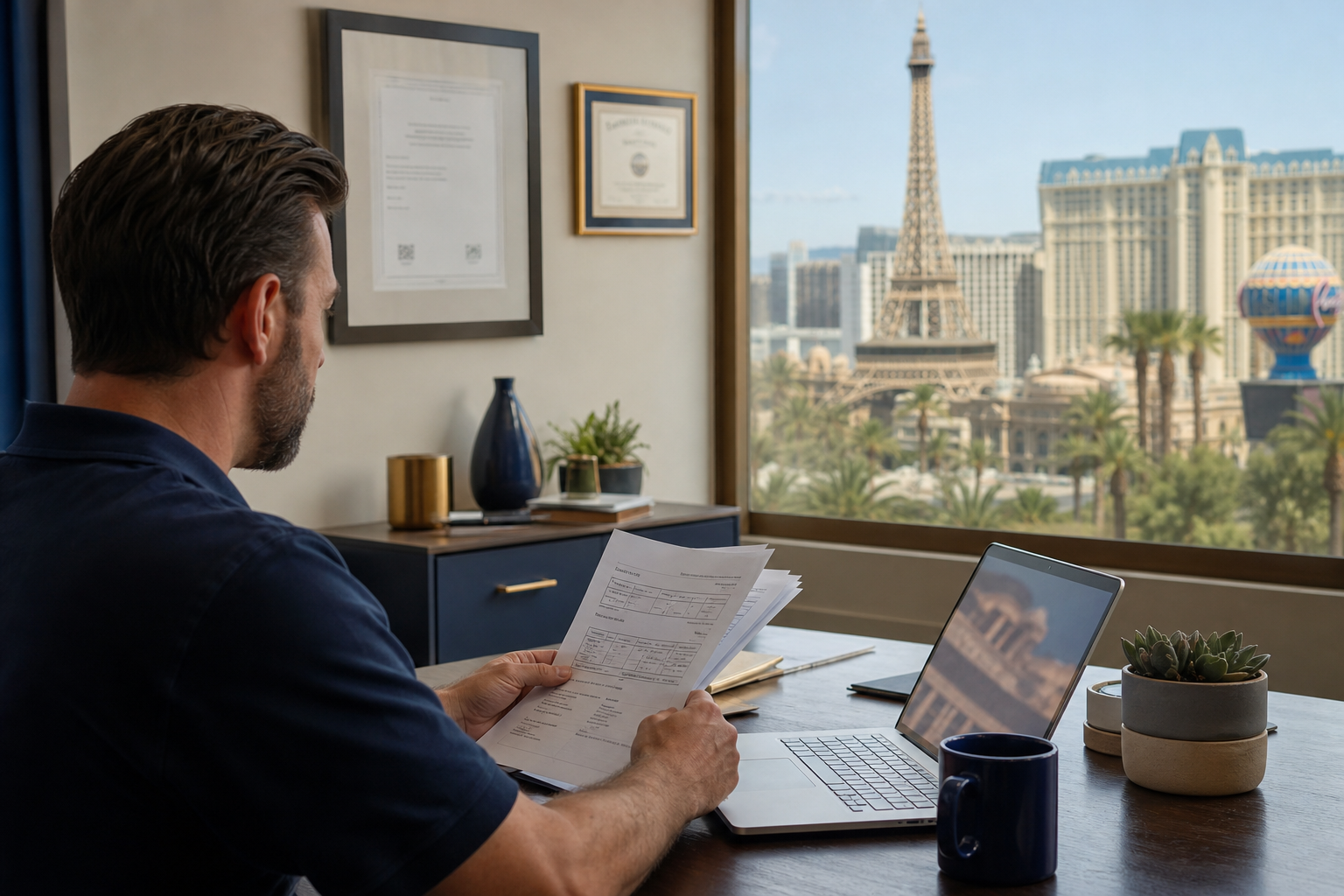
Small business owners typically have insurance by working with an independent agency or broker who helps them identify their risks and select appropriate coverage. The process involves assessing possible exposures, learning about available policies, and applying for coverage that fits the business’s needs. Common insurance types include general liability, commercial property, and workers compensation.
Key takeaways
- Small business insurance helps protect against financial losses from accidents, lawsuits, or disasters.
- Owners get coverage by working with an agency, providing business details, and comparing policy options.
- Las Vegas and Nevada businesses often need general liability, property, workers comp, and other policies depending on their trade.
- Preparing documents and questions before shopping for insurance can save time and lead to better results.
- Independent agencies like Trueward Insurance Agency use technology and experience to help owners choose suitable policies.
What Does It Mean for a Small Business Owner to 'Have Insurance'?
Having insurance as a small business owner means you have purchased one or more policies that protect your company from certain losses. Business insurance is a contract between your business and an insurance company. You pay a premium, and in return, the insurer agrees to help cover costs if something unexpected happens, such as a lawsuit, property damage, or employee injury.
Insurance is important for small businesses because unexpected events can occur at any time. For example, a customer could slip and fall in your store, or a fire could damage your office. Without insurance, you would have to pay those costs yourself, which could threaten your business’s survival.
Coverage works by spreading risk among many businesses. You and others pay into a pool, and when a covered loss occurs, the insurer pays out according to the policy terms. This allows you to focus on running your business, knowing you have a safety net if things go wrong.
Insurance can protect your physical assets, such as your building, inventory, or equipment, your income if you have to close for repairs, and your business’s reputation if you face a lawsuit. It can also cover injuries to employees or customers. The type and amount of insurance you need will depend on your business activities and risks.
How Do Small Business Owners Get Insurance?
Small business owners get insurance by following a step-by-step process, often with the help of an independent agency or broker. First, you identify what could go wrong in your business - these are your risks. For example, do you have a storefront open to the public? Do you have employees? Do you use vehicles for work or store valuable equipment?
Next, you contact an independent agency like Trueward Insurance Agency in Las Vegas, Nevada. Since they are not tied to any single insurance company, they can compare options across multiple carriers for you. You’ll be asked to share basic details about your business, such as what you do, how many employees you have, and where you operate.
After gathering your information, the agency uses technology to screen available options at any time. A licensed producer, such as Yana Vergasova, reviews the shortlist and ensures the quotes fit your business’s needs. You’ll receive a selection of quotes to compare, typically within the same business day.
You then review the quotes, ask questions, and choose the policy or combination of policies you want. Once you agree, the agency helps you apply for and bind the coverage. You pay the premium, and once payment is confirmed, your policy goes into effect. If your business changes later, such as hiring employees or moving locations, you can update your coverage.
Types of Insurance Small Business Owners Commonly Need
Most small businesses need a combination of insurance types to cover different risks. General liability insurance covers injuries or property damage caused to others by your business. For example, if a customer slips in your shop, this policy can help with legal and medical costs. You can read more about it here: General liability insurance.
A Business Owners Policy (BOP) combines general liability with property insurance. It’s popular with small businesses that own their building or valuable equipment. Learn more at Business owners policy.
Workers compensation insurance is required if you have employees in Nevada. It pays for medical bills and lost wages if a worker gets hurt or sick on the job. Commercial property insurance covers damage to your building, inventory, or equipment from events like fires, storms, or vandalism.
Commercial auto insurance is for vehicles owned by your business. If you drive to job sites, make deliveries, or transport tools, you likely need it. Professional liability (also called Errors & Omissions or E&O) covers you if a client claims your advice or service caused them a loss. Cyber liability covers costs from data breaches and hacks, while liquor liability is needed if you sell or serve alcohol. Umbrella and excess insurance provide extra coverage above your other policies’ limits.
Checklist: What to Prepare Before Shopping for Business Insurance
Before you talk to an agent or get a quote, gather some key details and ask yourself a few important questions. Here’s a checklist to help you get ready:
| Step | What to Do | Why It Matters |
|---|---|---|
| 1 | Gather your business license, address, and contact info | The agency needs these to identify and quote your business. |
| 2 | List your business activities and services | Insurers want to know exactly what you do so they can assess risk. |
| 3 | Know your number of employees and payroll | This is required for workers compensation and helps with other policies. |
| 4 | List your business property (buildings, inventory, equipment) | Helps determine the right amount of property coverage. |
| 5 | Review contracts and leases | Some may require certain insurance types or coverage amounts. |
| 6 | Prepare questions: What coverage do I need? What’s excluded? What are my deductibles? | Good questions help you understand your policy and avoid surprises. |
When comparing options, look at what each policy covers, what it excludes, the coverage limits, and the deductible. Ask your agent to explain any unclear terms.
How Independent Agencies Like Trueward Help Small Business Owners
Independent agencies like Trueward Insurance Agency in Las Vegas, Nevada act as your advocate, not the insurance company’s. Because they aren’t owned by a carrier, they can compare policies from many companies to help you find the best match for your business.
You benefit from their expertise. For example, Yana Vergasova brings years of business ownership experience, so she understands what keeps small business owners up at night. The agency combines that hands-on knowledge with modern technology - an AI assistant screens carrier options at all hours, so you’re not waiting long for a quote. Every quote is reviewed by a licensed producer the same business day, so you get personal attention as well as efficiency.
Trueward helps you understand what you’re buying, in plain English. You don’t have to guess which coverage fits your business or worry about missing something important. They also help you avoid overpaying by making sure you don’t buy overlapping or unnecessary coverage.
Another benefit is ongoing support. When your business grows or changes, you can call your agency to update your coverage. If you ever have a claim, your agent can help you understand the process and what to expect.
What Happens After You Get Business Insurance?
After you buy business insurance, managing your policy is an ongoing task. Keep all your insurance documents in a safe and accessible place. If you hire more people, buy new equipment, or change your business location, tell your agent. Your coverage needs may change as your business grows.
You should review your insurance at least once a year, or whenever your business has a significant change. This helps you avoid gaps and makes sure you’re not paying for coverage you no longer need. Your agency can help with this review and suggest updates.
If you need to make a claim, such as after a fire or an accident, contact your agent or the insurance company as soon as possible. Be ready to explain what happened and provide any documentation they request, such as police reports, photos, or repair bills. Your agent can guide you through the process and help you understand what’s covered and what’s not.
Keep in mind that insurance is there for major losses, not everyday wear and tear. Read your policy carefully so you know your deductibles and exclusions.
Comparison Table: Types of Business Insurance and What They Cover
Here’s a quick side-by-side look at common types of small business insurance, what they cover, and who usually needs them:
| Insurance Type | Who Needs It | What It Covers | What It Does Not Cover |
|---|---|---|---|
| General Liability | Most businesses with public contact | Customer injuries, property damage to others | Employee injuries, auto accidents |
| Business Owners Policy (BOP) | Retail, office, small shops | Combines general liability and property | Flood, earthquake (usually) |
| Workers Compensation | Any business with employees | Employee injuries or illness at work | Injuries outside work, contractors |
| Commercial Property | Businesses with buildings or stock | Damage to owned building, inventory, equipment | Wear and tear, flood (usually) |
| Commercial Auto | Businesses using vehicles | Accidents, theft, damage to business vehicles | Personal vehicles, employee cars |
| Professional Liability (E&O) | Consultants, advisors, tech, trades | Claims of errors, negligence, missed deadlines | Bodily injury, property damage |
| Cyber Liability | Any business storing data online | Data breaches, hacks, lost business from cyber events | Physical damage, fraud by owner |
| Liquor Liability | Bars, restaurants, caterers | Damage or injury caused by serving alcohol | Non-alcohol related claims |
| Umbrella/Excess | Businesses needing higher limits | Extra coverage above other policy limits | Coverage types not on base policies |
Ready to Protect Your Business? Get a Quote
Having the right insurance is one of the smartest moves you can make for your business. Trueward Insurance Agency helps Las Vegas and Nevada small business owners find coverage that fits their real risks, without the jargon. If you want to compare your options or just have questions, Get a quote today. It’s quick, clear, and you’ll get answers you can trust.
Frequently asked questions
Most small business owners need general liability insurance at a minimum. Other common policies include a business owners policy (BOP), workers compensation if you have employees, commercial property, and professional liability. The right mix depends on your business type, industry, and risks.
Start by listing your business activities, assets, and risks. Talk to an independent agency that can explain your options and compare multiple policies. Ask questions about coverage, exclusions, and limits to make sure the policy fits your needs.
Yes, sole proprietors can and often should get business insurance to protect themselves from lawsuits, property loss, or other risks. Many insurance companies offer policies designed for single-owner businesses with no employees.
Insurance protects your business from unpredictable events that could cause financial loss, such as lawsuits, accidents, or property damage. Without insurance, these costs could threaten your ability to stay open.
The process can be as quick as a day if you have your business information ready. Agencies like Trueward use technology to screen carrier options 24/7, and a licensed producer reviews quotes the same business day.
Yes, in Nevada, having employees means you are required to have workers compensation insurance. You may also need to adjust your liability or property coverage as your business grows.
Typically, you'll need your business license, address, details about your activities, number of employees, payroll information, and a list of property or equipment. Having contracts or leases on hand can also help.