

BOP Insurance Requirements: What Nevada Small Businesses Need
- By Yana Vergasova, Licensed Nevada P&C Producer
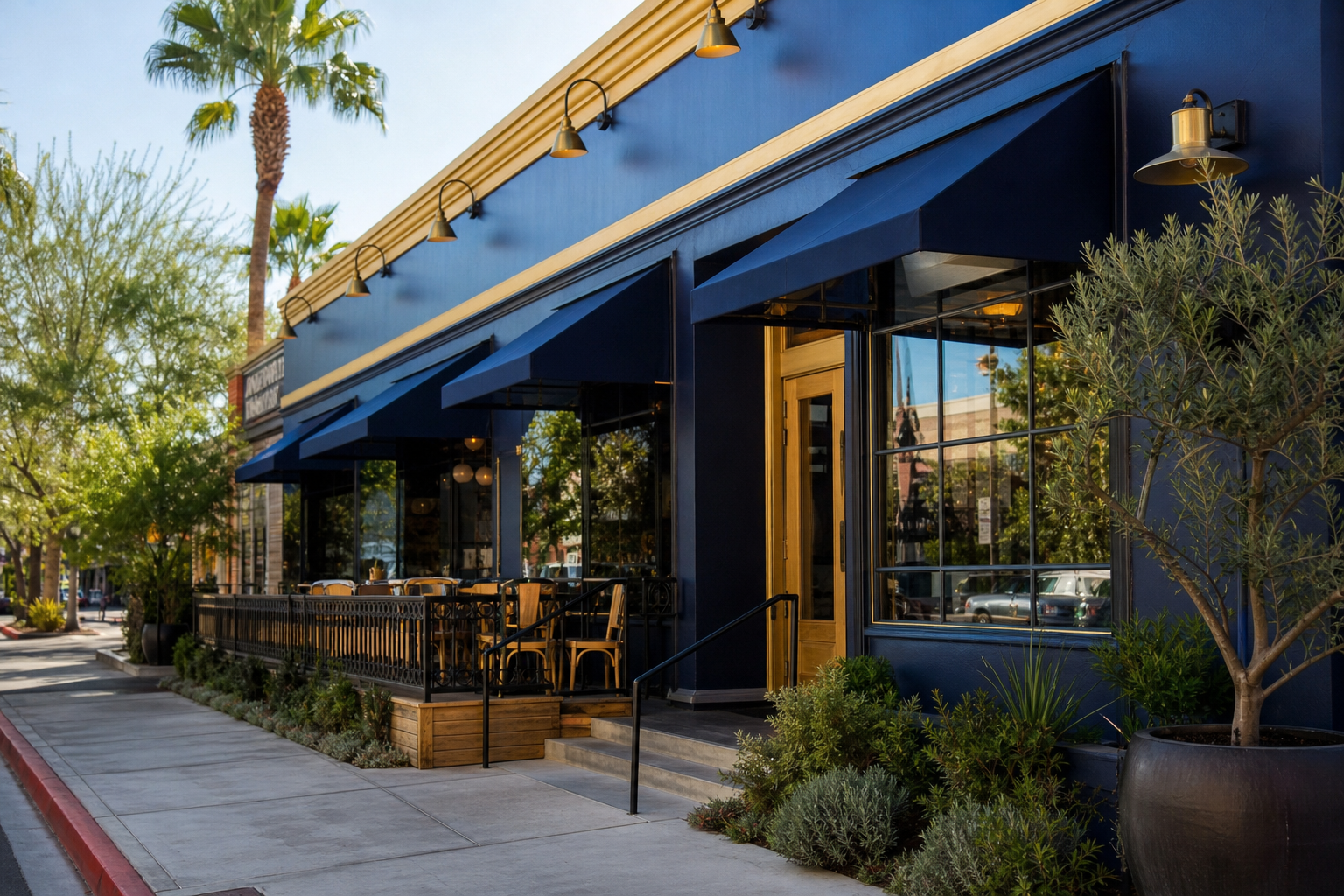
A business owners policy (BOP) is not required by Nevada law, but many landlords, lenders, and some clients may ask for it before you can sign a lease or contract. Most small businesses in Nevada can qualify for a BOP if they are in a low-risk industry, have a limited number of employees, and operate from a physical location. A BOP bundles general liability and property insurance, making it a practical solution for many Nevada small businesses.
Key takeaways
- Nevada law does not require a BOP, but landlords and lenders often do.
- Most small businesses with a storefront or office are eligible if they meet risk and size criteria.
- A BOP combines general liability and commercial property insurance, plus business interruption coverage.
- Eligibility usually means a limited number of employees and a physical business location.
- Optional add-ons can expand coverage for your business’s unique risks.
What Is a Business Owners Policy (BOP)?
A business owners policy (BOP) is a bundled insurance package that includes general liability insurance, commercial property insurance, and often business interruption coverage. This setup is meant for small and midsize businesses that want broad protection in one policy. With a BOP, you get coverage for lawsuits, property damage, and lost income due to covered events, all together.
Unlike buying general liability or property insurance separately, a BOP is designed to address the most common risks small businesses face. This can make it simpler and more efficient. The main difference is that standalone policies only cover one type of risk, while a BOP wraps several core protections into a single policy.
For example, if a fire damages your shop and you have to close for repairs, a BOP could help pay for lost income as well as the repairs themselves. That’s more than you’d get from just liability or property insurance alone.
Who Needs a BOP in Las Vegas and Nevada?
Any small business in Las Vegas or Nevada that owns or leases a physical space, deals with customers in person, or has equipment to protect should consider a BOP. Landlords often require tenants to carry a BOP before handing over the keys. Lenders may make it a loan condition. Some clients, especially commercial ones, want proof of coverage before signing contracts.
Typical businesses that qualify include retail stores, restaurants, coffee shops, hair and nail salons, professional offices, small contractors, and some local service providers. For example, insurance for restaurants and bars is often structured as a BOP because it covers both customer slip-and-fall risks and property damage.
If you’re running a consulting firm out of a leased office, a BOP covers your office equipment and liability if a client slips inside. If you own a small shop, it protects your inventory and business income if you have to close after a fire. Some types of businesses, like manufacturers or those with unusual risks, may not qualify - these usually need more specialized insurance.
BOP Insurance Requirements in Nevada: Eligibility Checklist
To get a BOP in Nevada, your business must meet certain requirements. Most insurers use the following criteria:
| Requirement | Typical Standard | Notes for Las Vegas Businesses |
|---|---|---|
| Number of Employees | Limited number, often fewer than 100 | Some carriers may allow more |
| Business Revenue | Usually moderate revenue levels | High-revenue businesses may need custom plans |
| Physical Location | Must operate from a physical address | Required for most BOPs |
| Industry Risk Level | Low to moderate risk industries only | Retail, restaurants, offices usually qualify |
| Business Type | Most LLCs, corporations, sole props | High-risk trades (like manufacturers) may not |
| Operations Location | Primarily within Nevada | Some carriers require all ops in-state |
In Las Vegas, many landlords will require you to show proof of a BOP before moving in. If you’re running a business from home, you may still qualify if you have regular client visits or business property on-site. Businesses in high-risk industries, such as large contractors or manufacturers, typically need custom commercial packages instead of a standard BOP.
What Does a BOP Cover for Small Businesses?
A BOP gives you three core coverages in one policy. First, it includes general liability insurance, which protects if someone sues you over injuries or property damage that happen at your business. For example, if a customer slips on your floor, this part pays legal costs and settlements.
Second, commercial property insurance covers your building (if you own it), inventory, equipment, and furniture. If you rent, it protects your contents and any improvements you’ve made. Fire, theft, and certain types of storm damage are usually covered.
Third, most BOPs include business interruption insurance. This pays lost income and certain expenses if you have to shut down after a covered claim, like a fire or major water leak.
You can also add endorsements to a BOP for extra protection. Common add-ons include commercial auto insurance, equipment breakdown, cyber liability, or coverage for employee theft. These are not standard, but can be tailored for your situation.
BOP vs. Other Business Insurance Policies: Comparison Table
A BOP combines several important coverages in one package, but sometimes a standalone policy is better. Here’s how they compare:
| Policy Type | What It Covers | Who It’s For |
|---|---|---|
| BOP | Liability, property, business interruption | Small/medium businesses with a location |
| General liability insurance | Lawsuits over injuries or property damage | Home-based or service businesses |
| Commercial property | Buildings, inventory, equipment | Businesses with valuable property |
| Standalone policies | One risk at a time (e.g., cyber, auto) | Businesses with unique or high risks |
A BOP is usually the best fit if you want broad, standard protection as a brick-and-mortar business. If you have special risks or high value assets, you might need additional policies.
How to Get a BOP in Nevada: Simple Steps
Getting a BOP in Nevada can be straightforward, especially when you work with an independent agency like Trueward Insurance Agency in Las Vegas. Here’s how it works:
First, gather your business information, such as your business address, employee count, estimated revenue, and details about your operations and property. Next, reach out to an independent agent. Unlike a single carrier, an independent agency checks multiple insurance companies to find the best fit for your business and needs. Trueward Insurance uses an AI assistant to screen options around the clock. A licensed producer reviews the shortlist and discusses any questions or concerns with you directly. Then, review your quote and recommended options. Your agent will explain what’s covered, what isn’t, and suggest any optional add-ons that make sense for your industry. Once you select your policy, your agent helps you with the paperwork and provides proof of insurance for your landlord or lender.
Working with an independent agency means you get unbiased advice and a policy tailored to your needs, not just what one carrier wants to sell. For more details, check the business owners policy details page.
Common Questions About BOP Insurance in Nevada
Many business owners wonder if a BOP is required by law. The answer is no - Nevada does not make BOPs mandatory by statute. However, you may need one to sign a lease, get a loan, or win a client contract.
A BOP does not cover every risk. For example, it will not include workers compensation, professional liability, or auto accidents involving business vehicles. These require separate policies. If you have employees, Nevada law does require workers compensation coverage.
Another misconception is that home-based businesses never qualify. In fact, if you regularly see clients at home or store business property there, you may be eligible for a BOP. Businesses with high risk operations or locations, like large manufacturers or cannabis retailers, usually need custom insurance instead.
Optional coverages can be added for risks like cyber-attacks, equipment breakdown, or liquor liability. If you’re not sure what you need, your agent can help you sort through the options.
Ready to Protect Your Business? Get a Quote
If you want to see what a BOP would look like for your business, Get a quote from Trueward Insurance Agency in Las Vegas. We’re an independent commercial insurance agency that helps Nevada small businesses find the right coverage. Our team reviews every quote personally and explains your options in plain English. Start your quote today to protect what you’ve built.
Frequently asked questions
To qualify for a BOP in Nevada, your business typically must have a limited number of employees, operate from a physical location, have moderate revenue levels, and be in a low to moderate risk industry. Some carriers may set their own specific rules, so it’s best to check with your insurance agent.
Most small and midsize businesses in Las Vegas with a storefront, office, or shop qualify for a BOP. This includes retail stores, restaurants, salons, professional offices, and many local service businesses. High-risk or very large businesses may need different coverage.
No, Nevada law does not require a business owners policy. However, landlords, lenders, or clients may require a BOP before allowing you to lease space, get a business loan, or sign a contract.
Businesses that have a physical location, deal directly with customers, or have equipment or inventory to protect often need a BOP. Typical examples include small retailers, restaurants, coffee shops, contractors, and professional service firms.
A BOP does not cover workers compensation, professional liability, commercial auto accidents, or certain types of specialty risks. These require separate policies. Ask your agent if you need additional coverage for these exposures.
Yes, you can add endorsements to your BOP for risks like cyber liability, equipment breakdown, or liquor liability. Your agent can recommend the right add-ons based on your business needs.
You can contact an independent agency like Trueward Insurance Agency in Las Vegas. They’ll gather details about your business, check several insurers, and provide a quote that fits your needs. You can also start online for convenience.